Minute Man Fossils
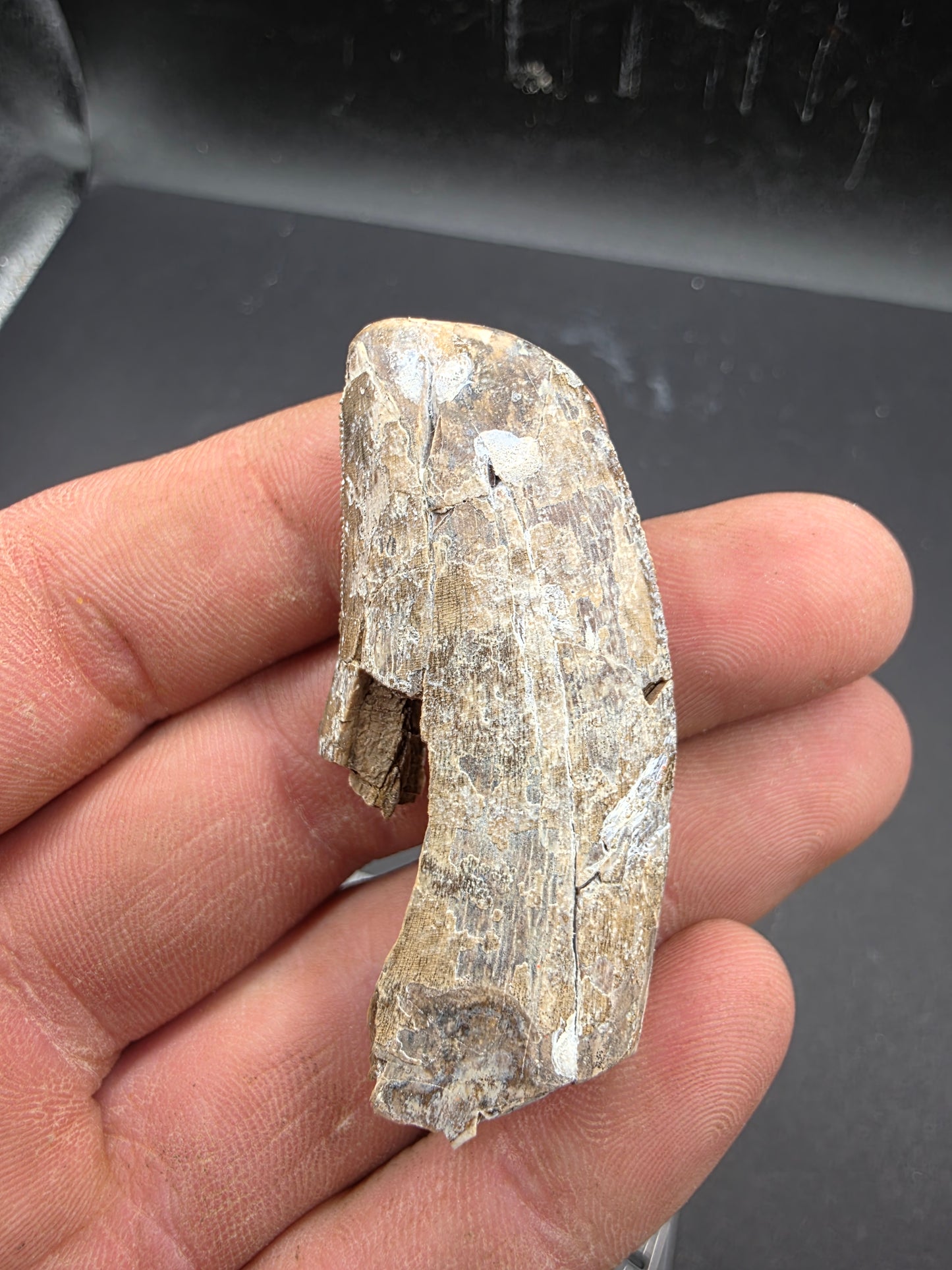
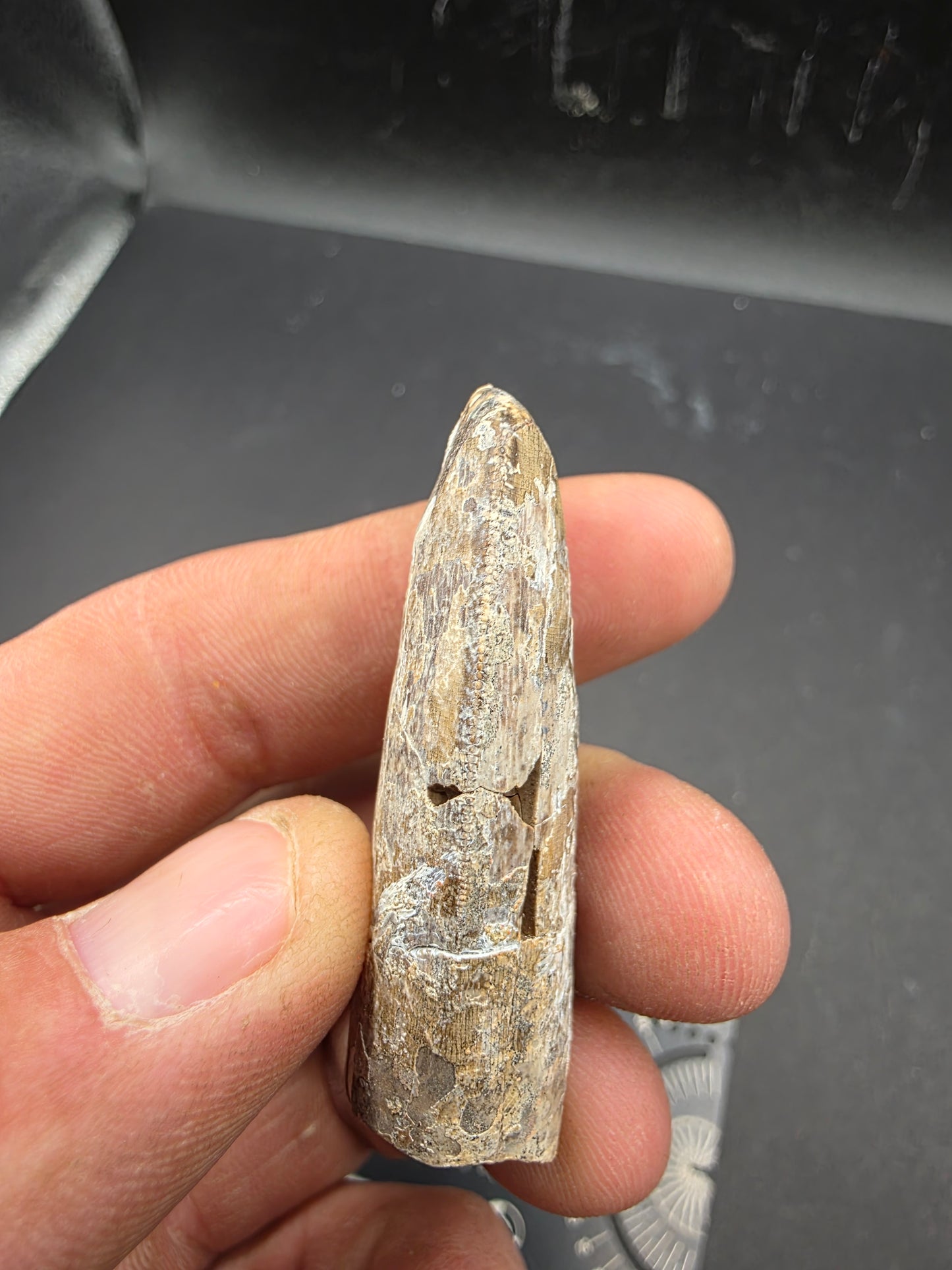
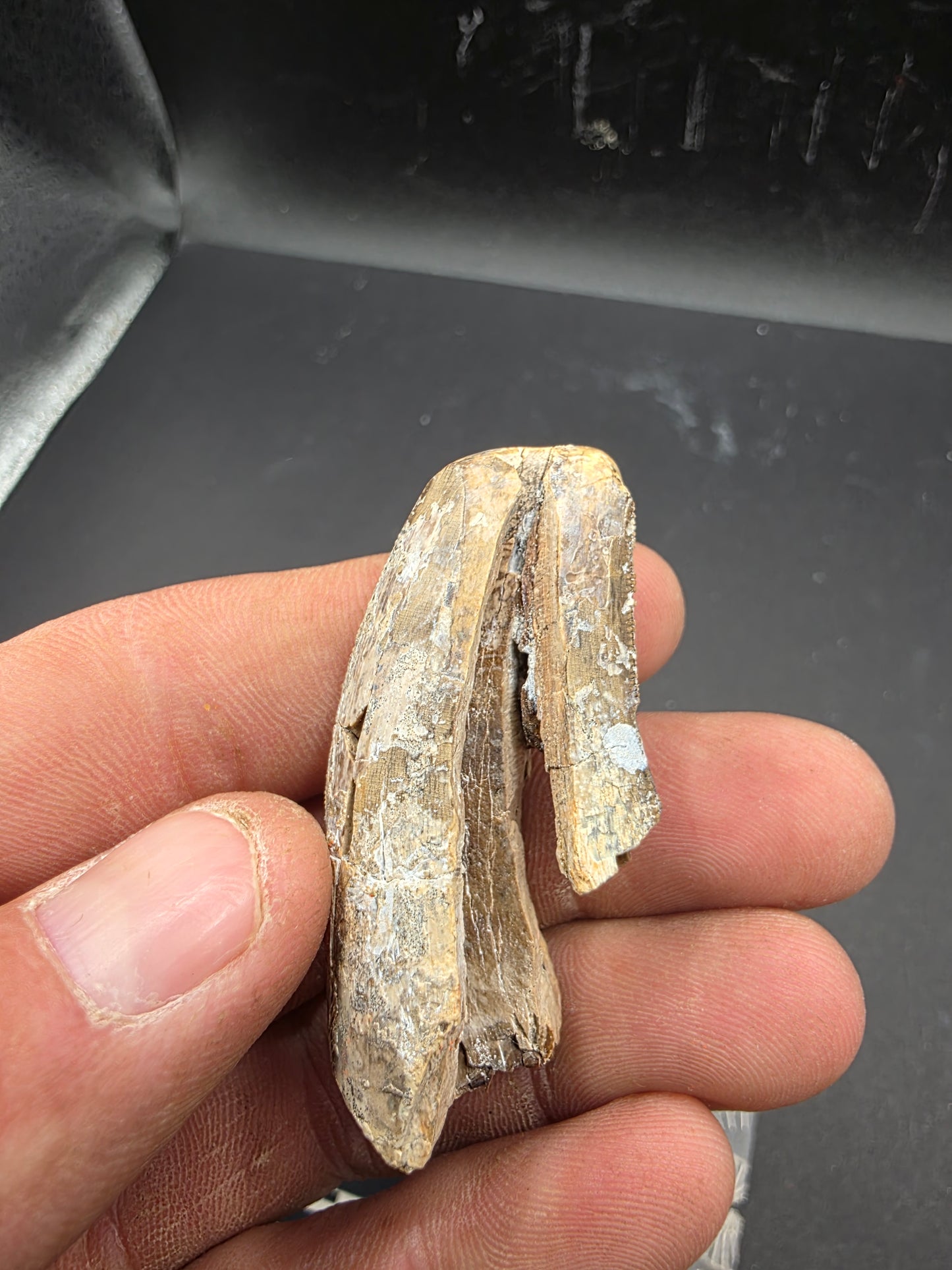
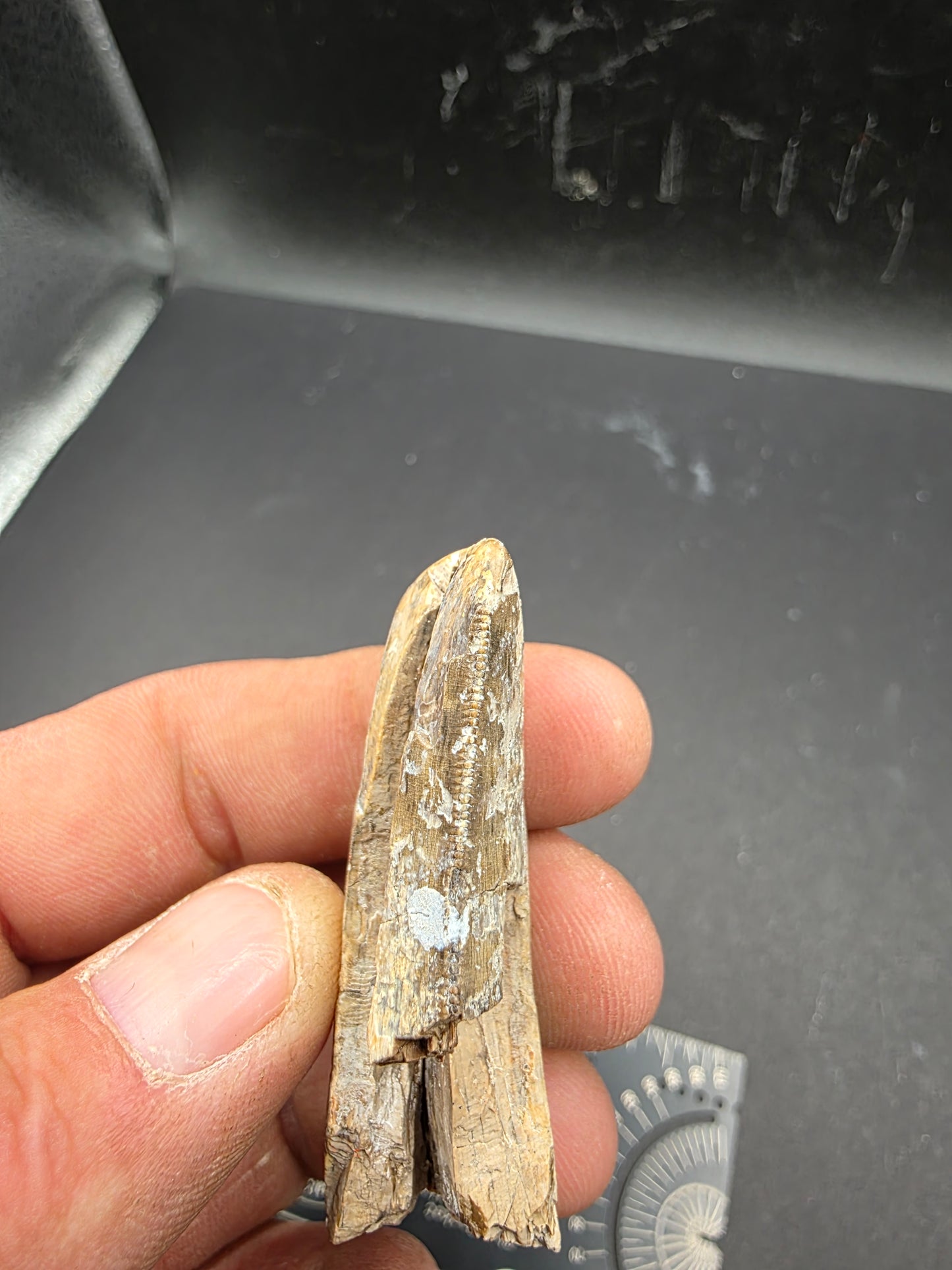
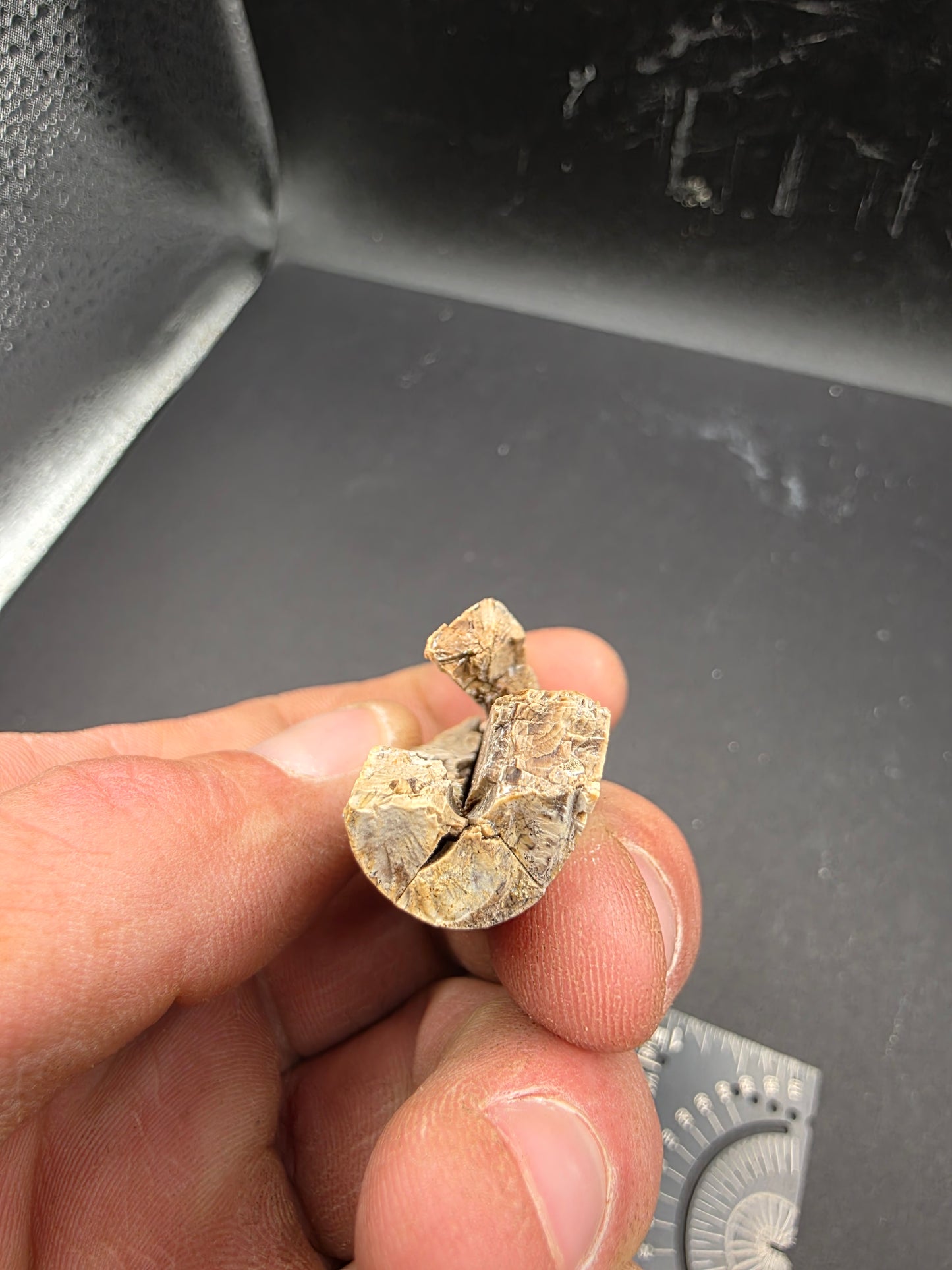
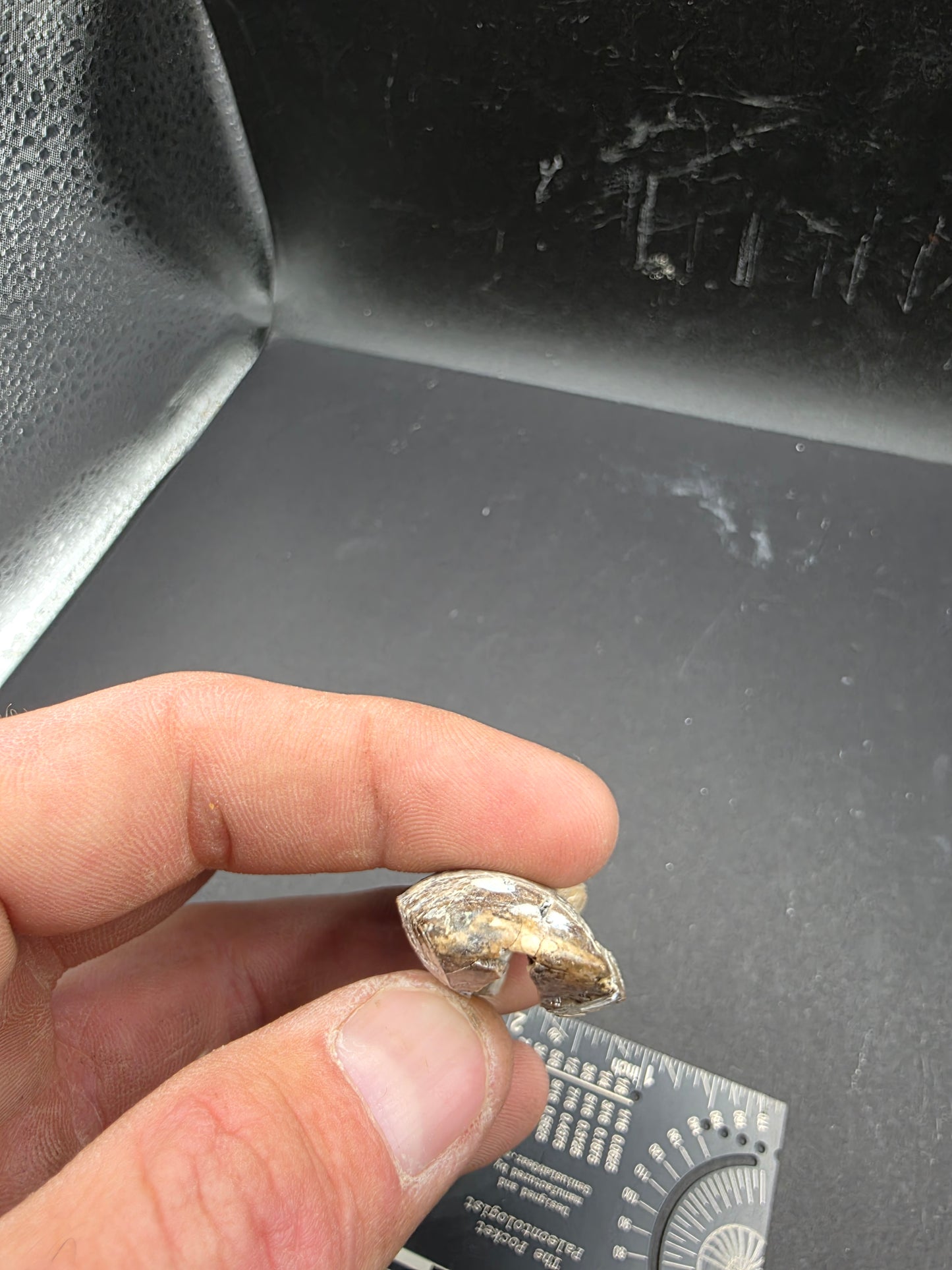
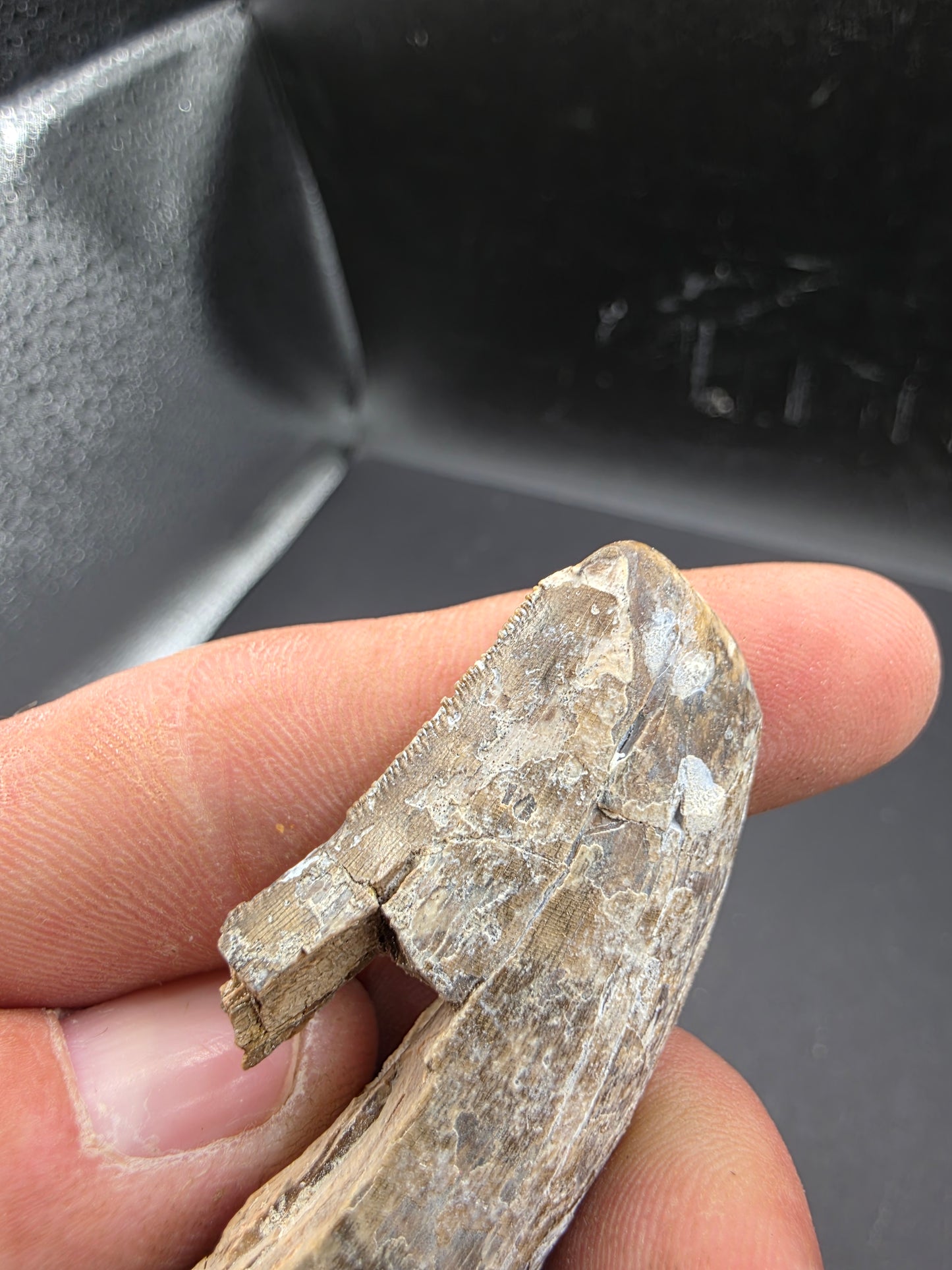
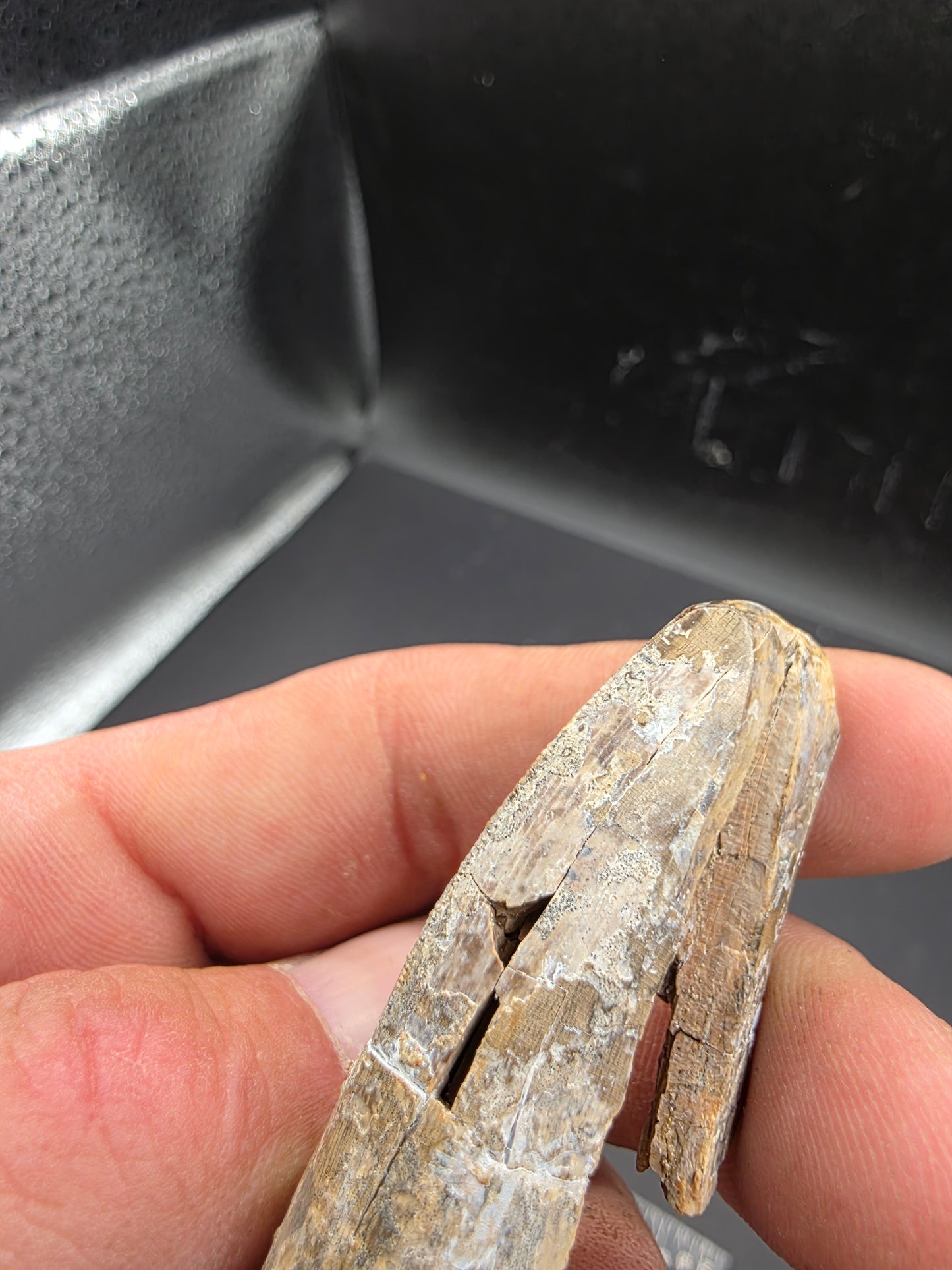
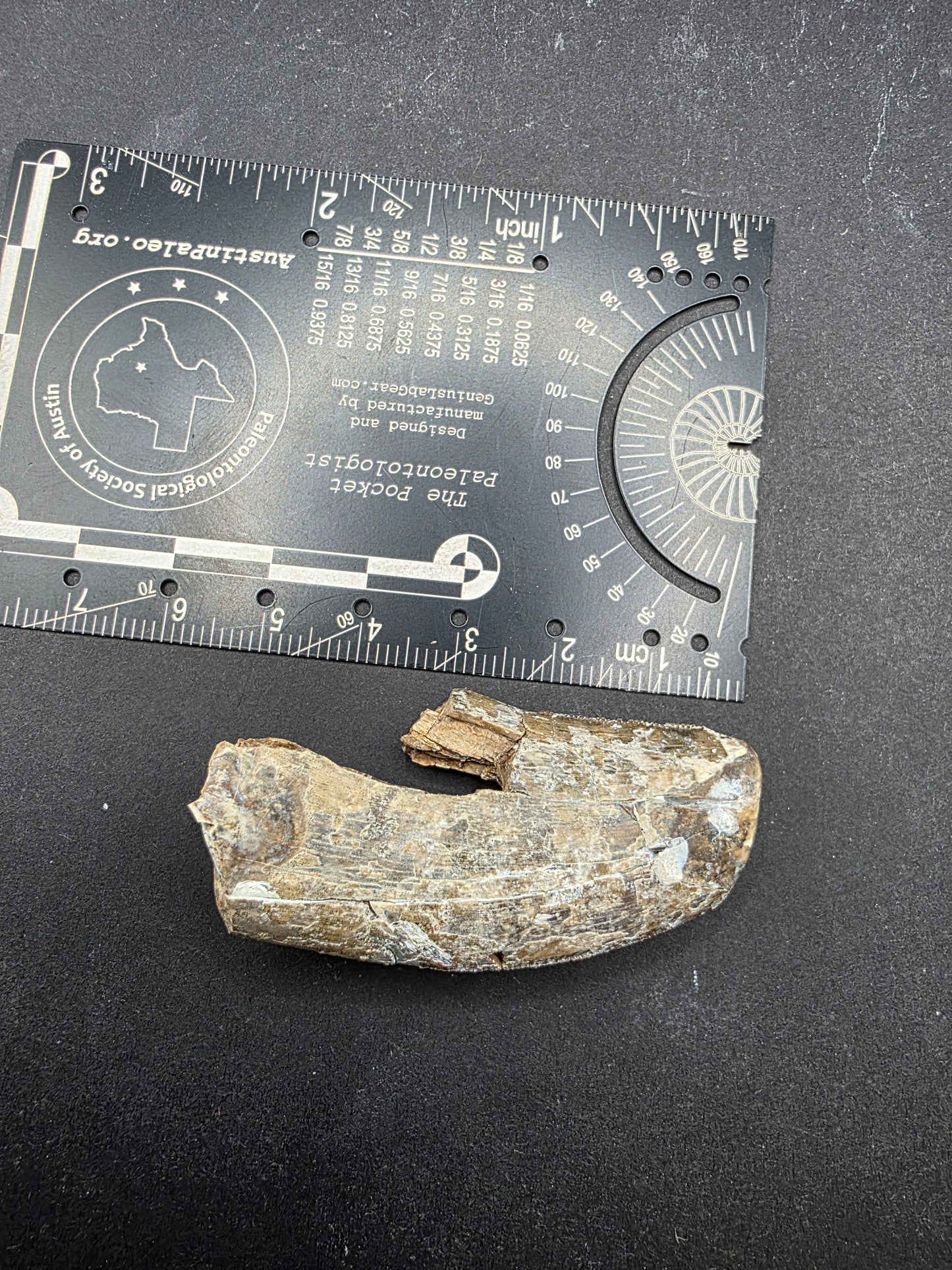
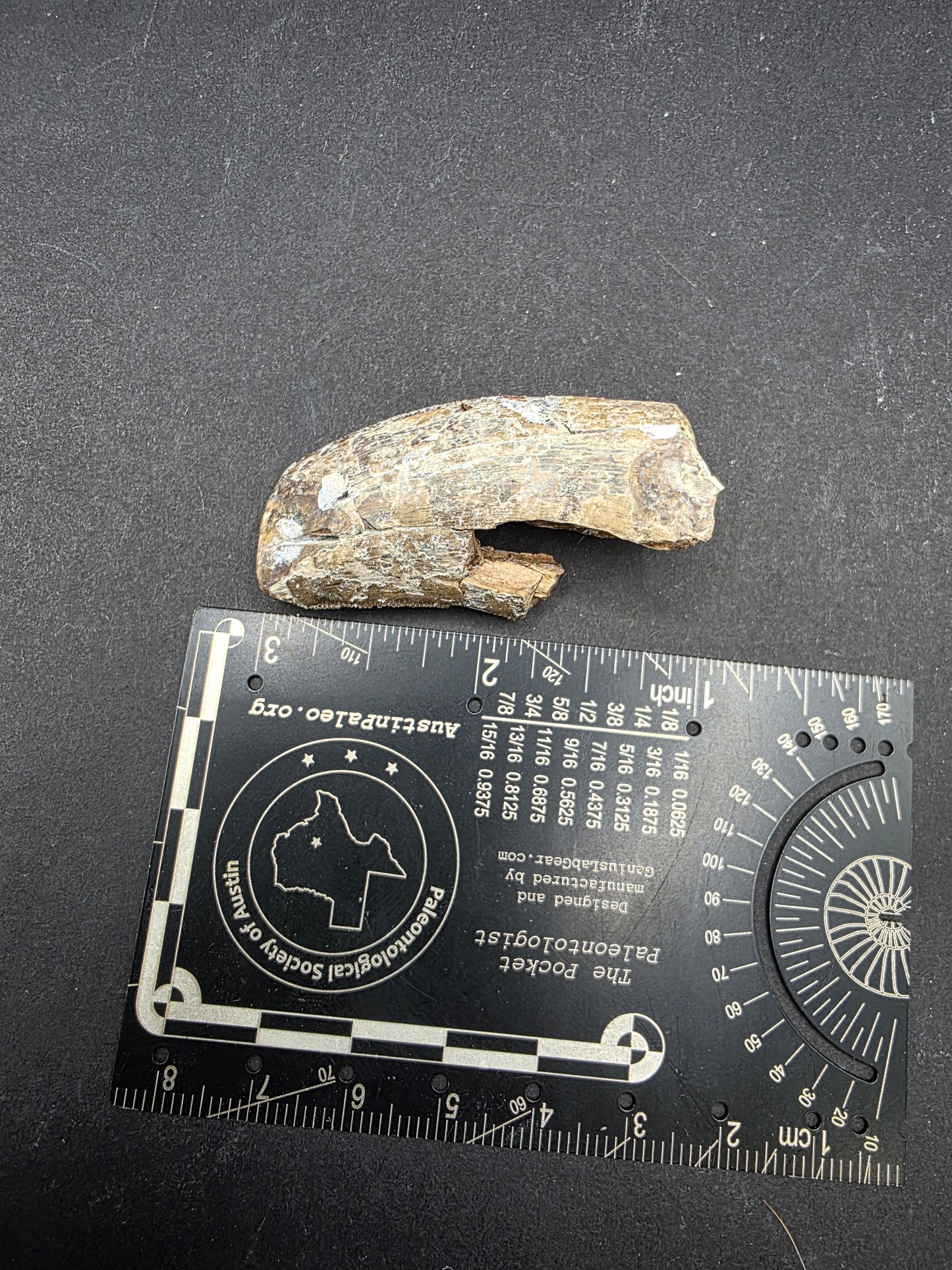
Tyrannosaurid Tooth-Texas
Tyrannosaurid Tooth-Texas
Couldn't load pickup availability
Taxa: Tyrannosaurid (Teratophoneus?)
Age: Cretaceous-Campanian
Geology: Aguja formation
Locality: Brewster County, Texas
Tyrannosaurids
Hadrosaurs, commonly known as duck-billed dinosaurs, were a group of herbivorous dinosaurs from the Late Cretaceous period. They are known for their distinctive, flat, duck-like beaks and often elaborate cranial crests, which might have been used for communication or display. Hadrosaurs were part of the family Hadrosauridae and were bipedal and quadrupedal, meaning they could walk on both two and four legs. They had specialized teeth for grinding plant material, indicating a herbivorous diet. Hadrosaurs are notable for their widespread fossil remains, providing significant insights into dinosaur behavior and ecology.
Tyrannosaurids are a family of large, carnivorous theropod dinosaurs that lived during the Late Cretaceous period, roughly 85 to 66 million years ago. They are most famous for including Tyrannosaurus rex, one of the most iconic dinosaurs.
Aguja formation
The Aguja Formation is a geological formation located in the Big Bend region of West Texas, USA. It dates back to the Late Cretaceous period, approximately 72 to 76 million years ago. The formation is notable for its rich fossil content, particularly dinosaur remains, including various species of hadrosaurs, ceratopsians, and theropods. It primarily consists of sedimentary rock, such as sandstone, mudstone, and shale, indicative of a diverse depositional environment ranging from coastal to fluvial settings. The Aguja Formation provides valuable insights into the ecosystems of North America during the Late Cretaceous.