Minute Man Fossils
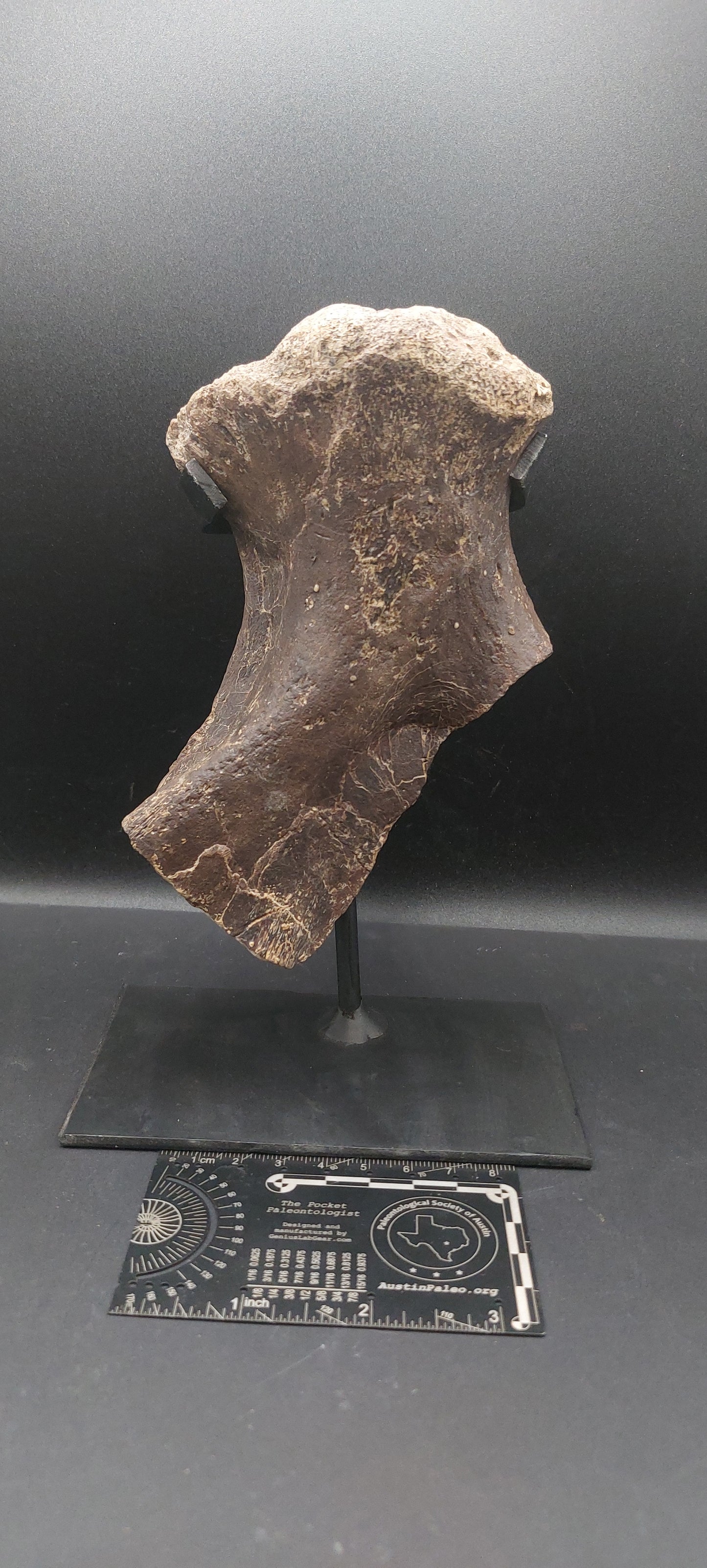
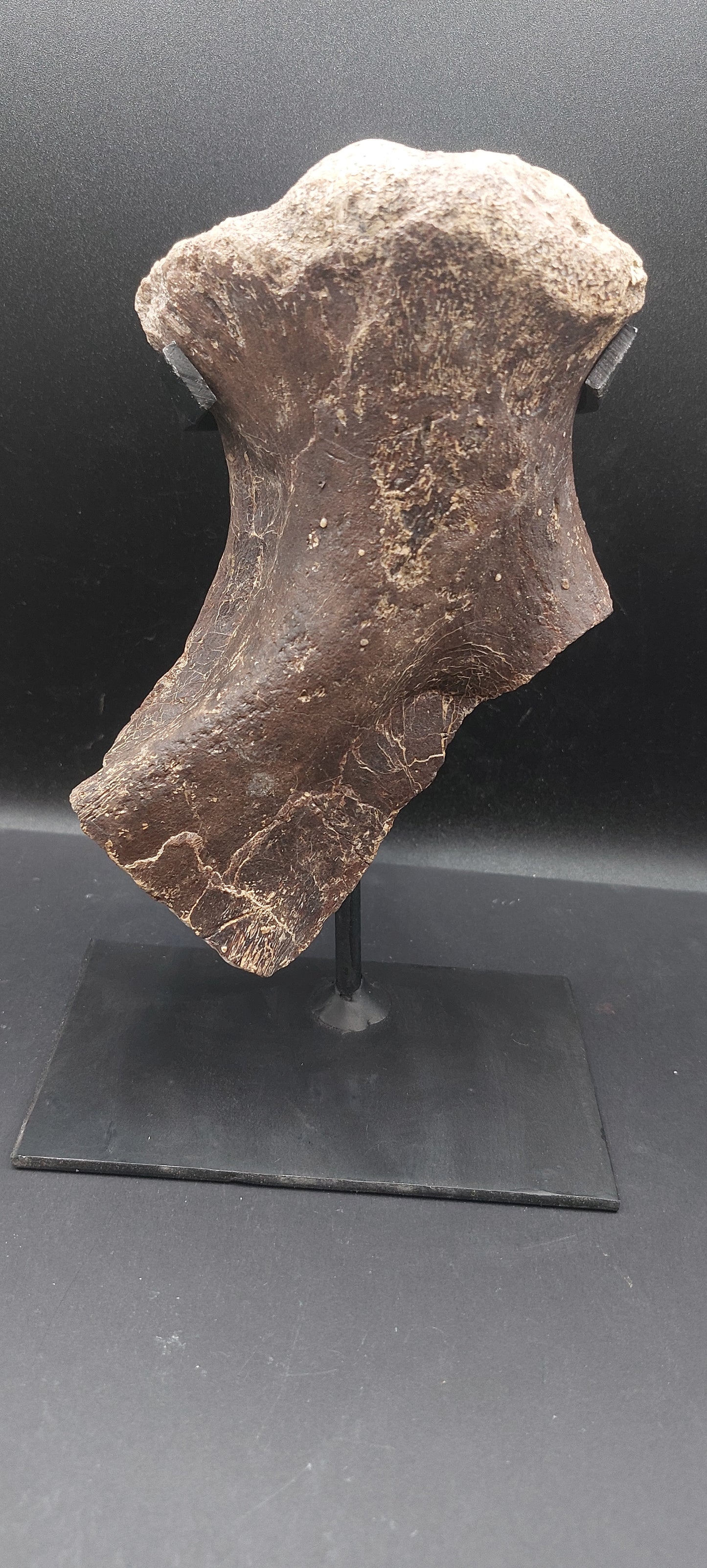
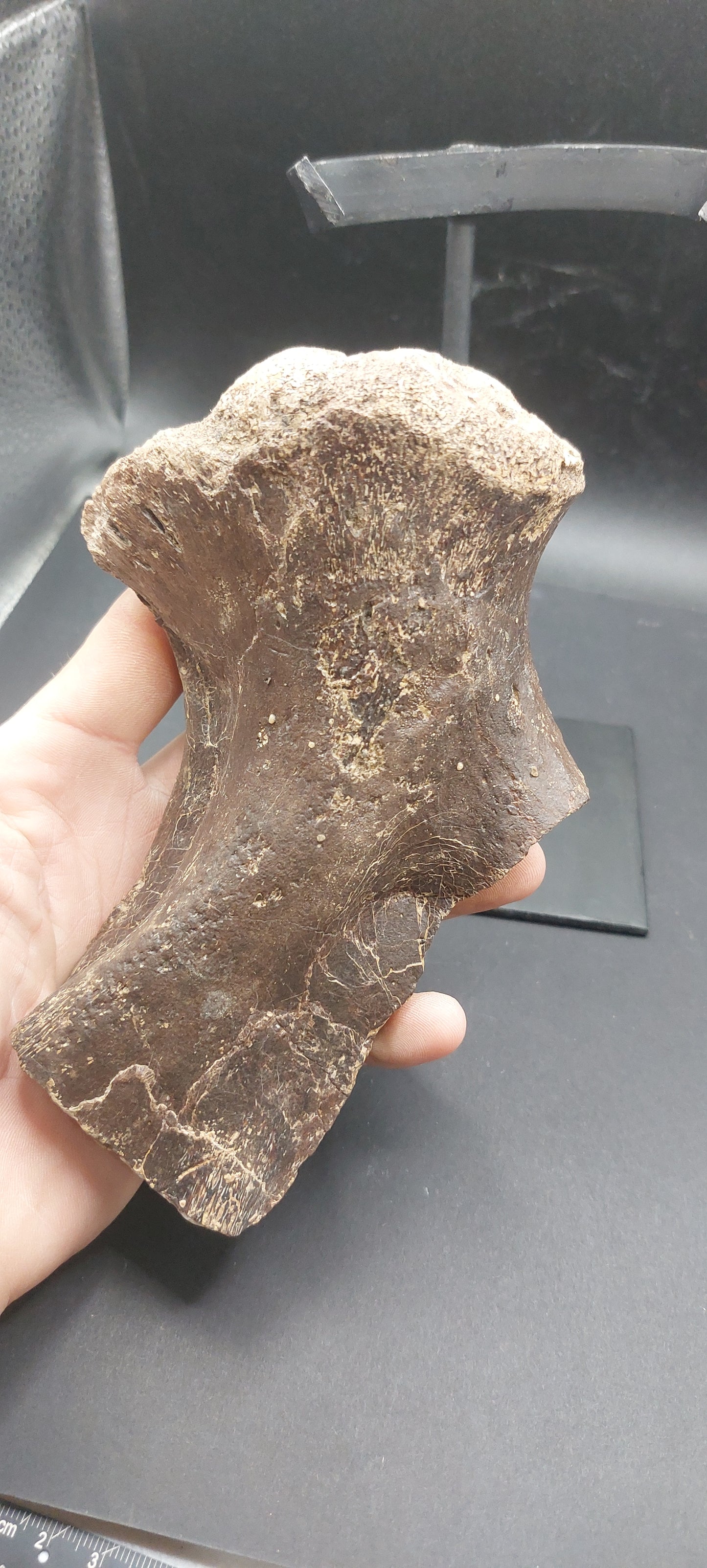
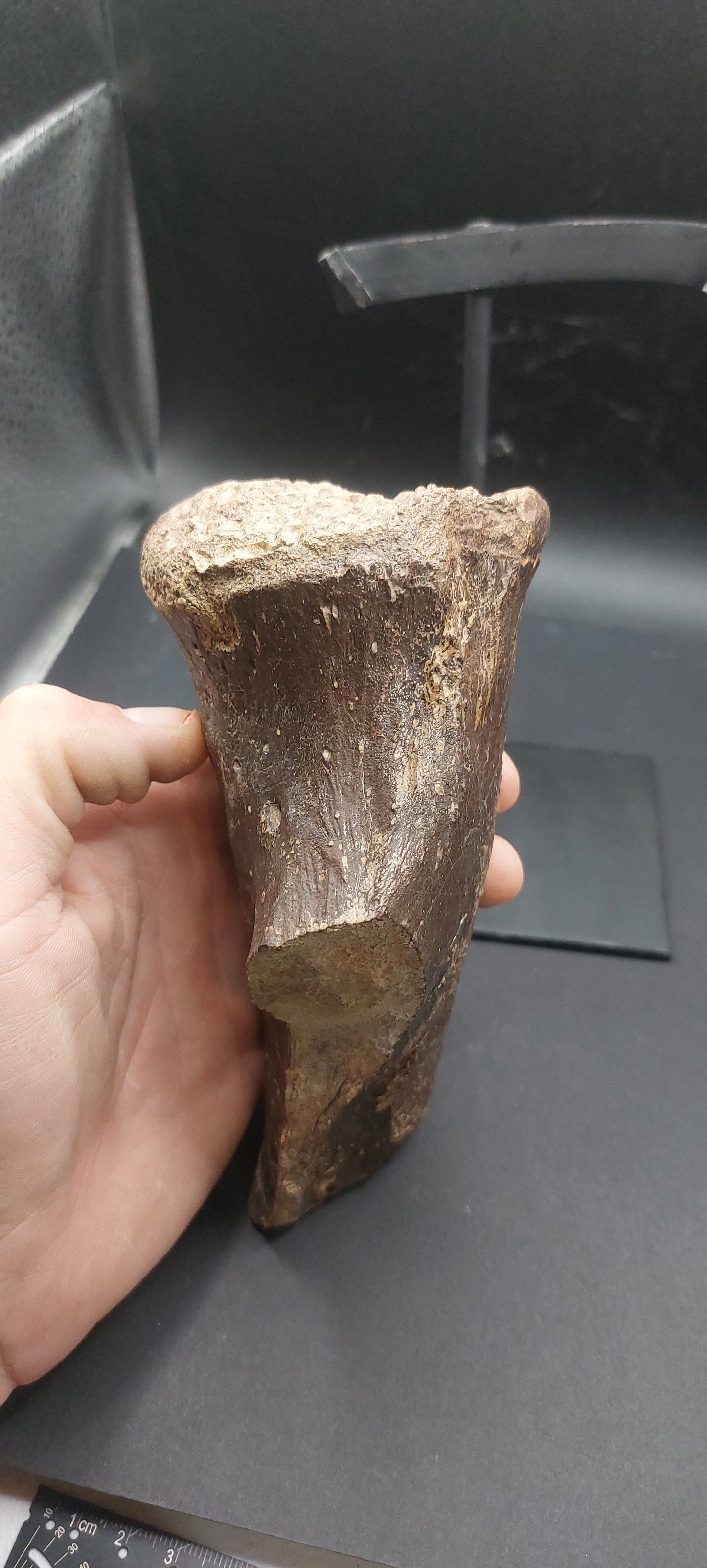
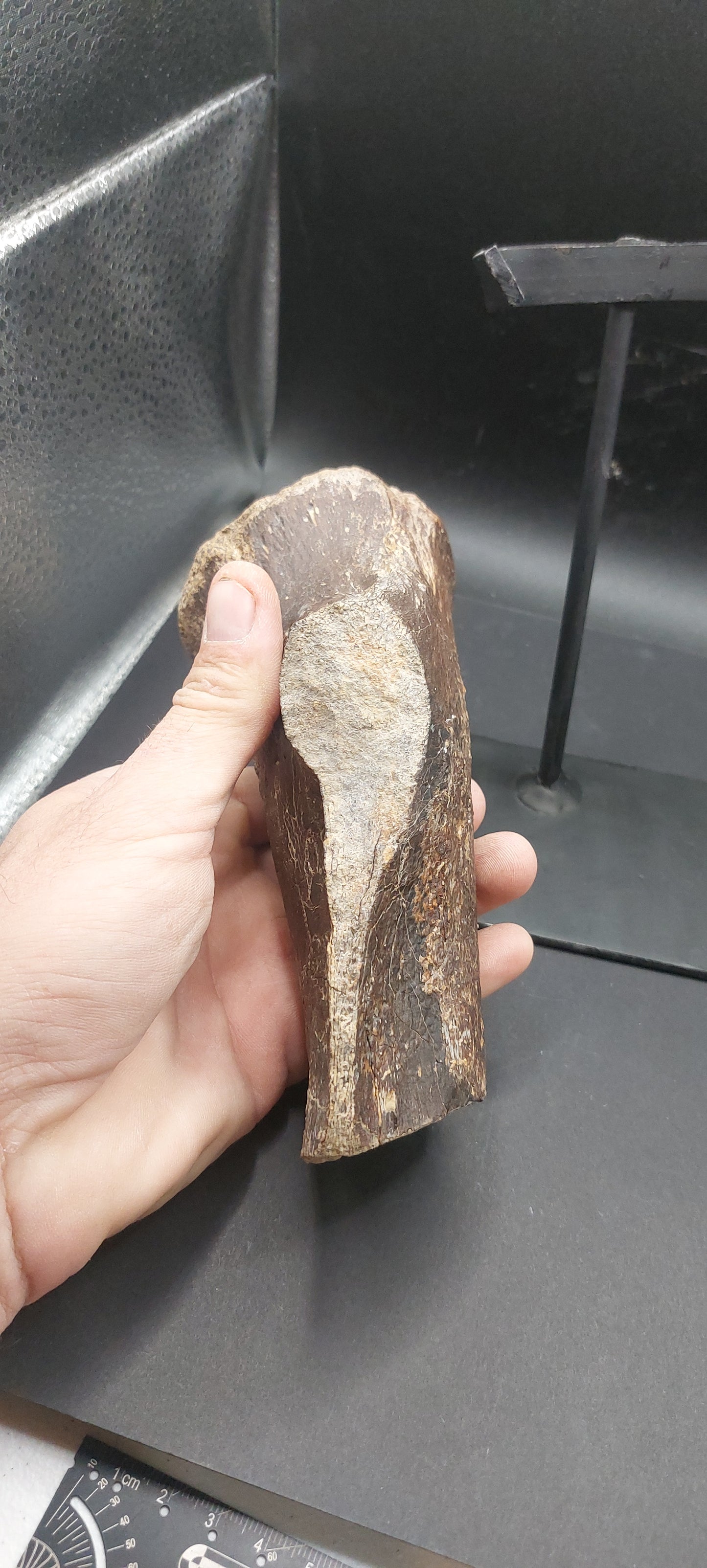
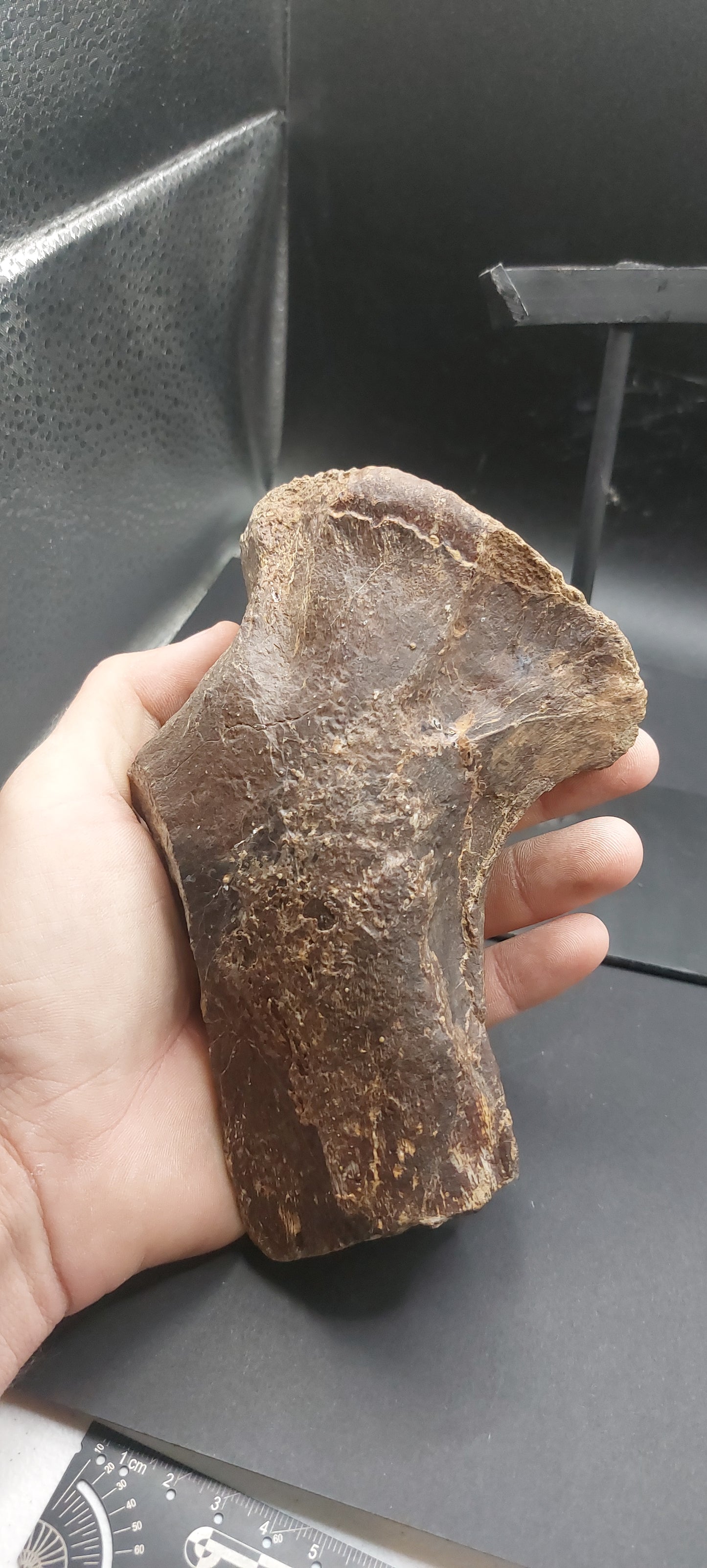
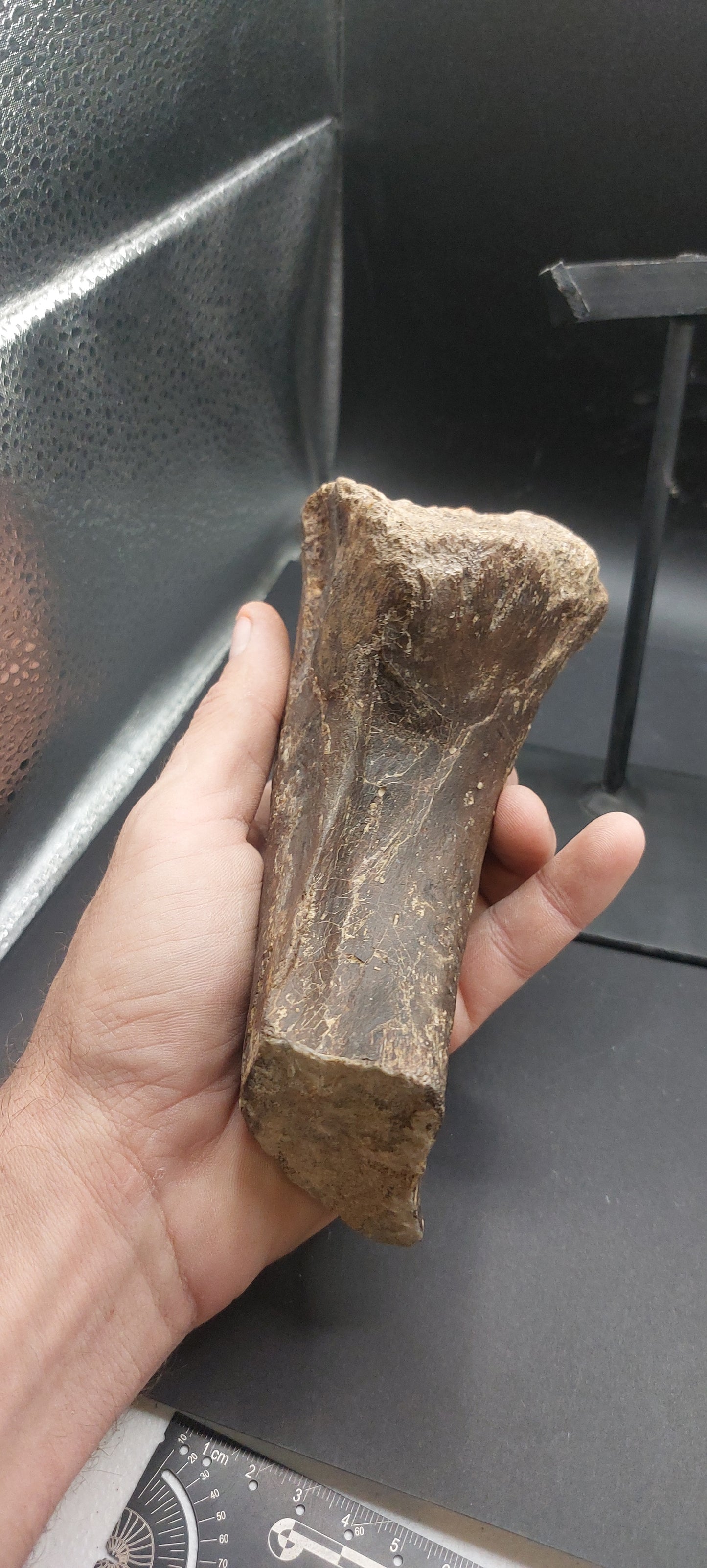
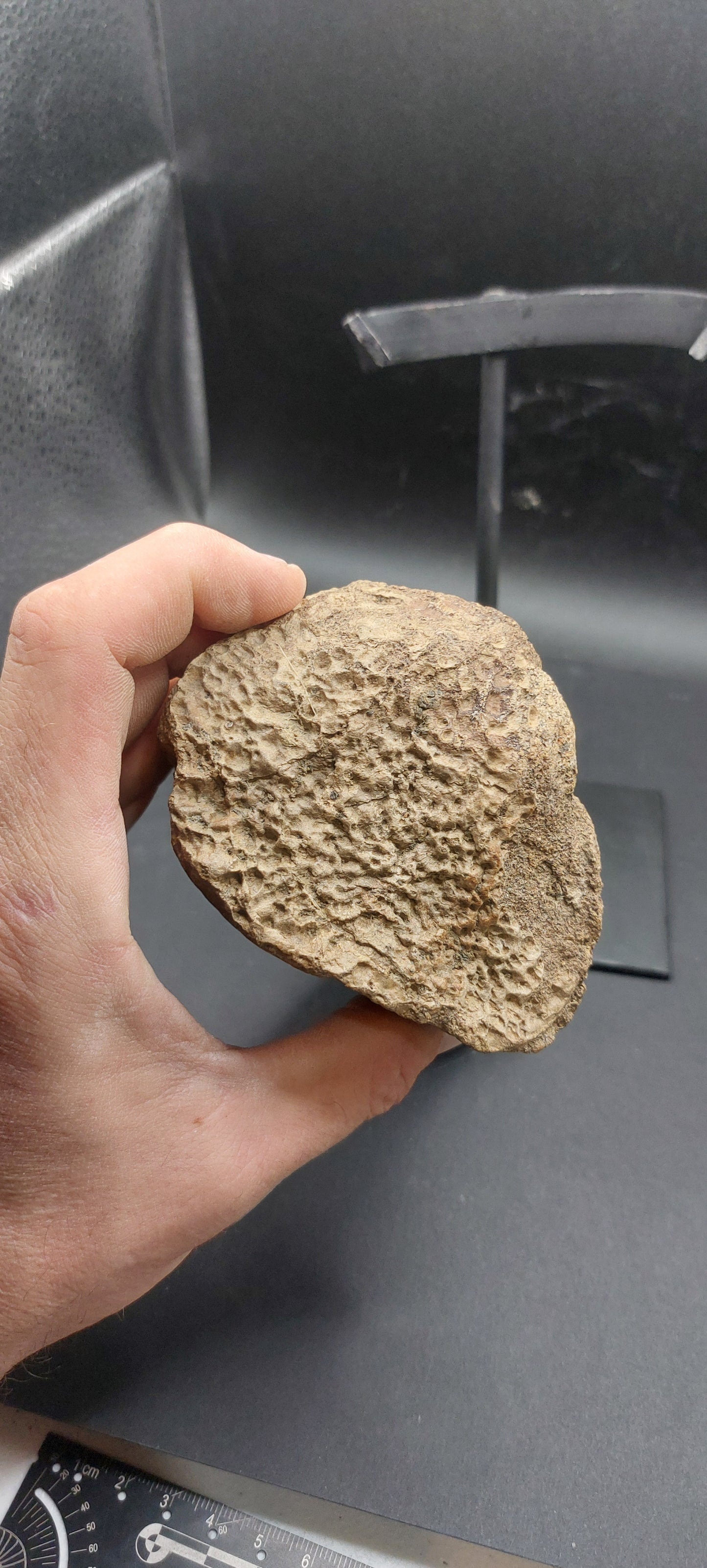
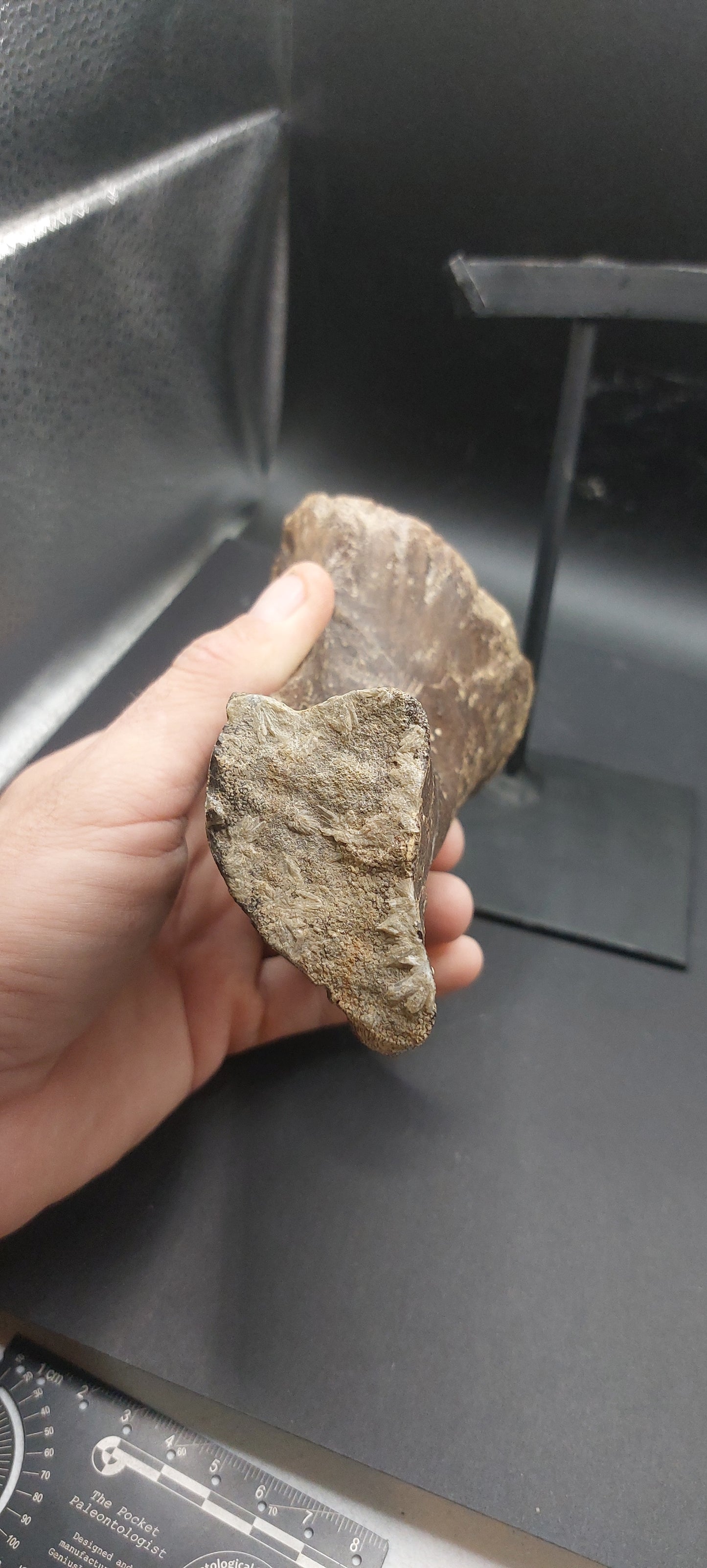
Tylosaurus rex Ischium-Texas
Tylosaurus rex Ischium-Texas
Couldn't load pickup availability
Taxa: Tylosaurus rex
Geology: Ozan formation
Age: Cretaceous-Campanian
Locality: Fannin County, Texas
No repairs or restorations. The stand is included with the fossil.
Tylosaurus rex
Tylosaurus rex was a giant Late Cretaceous mosasaur that lived about 80 million years ago in the shallow seas covering what is now Texas; it was formally described in 2026, based on fossils that had been recognized in collections for decades before the new species was named. It could reach about 43 feet long, had a long streamlined body, powerful flippers, a strong tail, and a broad snout with sharp serrated teeth and a forceful bite adapted for seizing large prey. Like other mosasaurs, it was a marine reptile, not a dinosaur, and it likely sat near the top of its ecosystem as an apex predator.
Mosasaurs
Mosasaurs were large, marine reptiles that lived during the Late Cretaceous period (about 100–66 million years ago). They were closely related to modern monitor lizards and snakes and belonged to the family Mosasauridae. Mosasaurs had elongated, streamlined bodies, powerful tails for swimming, and paddle-like limbs adapted for life in the ocean. They were apex predators, feeding on fish, ammonites, marine reptiles, and even other mosasaurs. Some genera, like Mosasaurus and Tylosaurus, reached lengths of over 12 meters (39 feet). Mosasaurs went extinct at the end of the Cretaceous during the mass extinction event that also wiped out the non-avian dinosaurs.
Ischium
The Tylosaurus rex ischium was a large, rear-projecting pelvic bone from a giant marine reptile that helped form the hind part of the pelvis and served as an important anchor for muscles that moved and stabilized the tail and back half of the body. In Tylosaurus and other mosasaurs, the ischium would have been relatively robust compared with many other reptile bones, reflecting the demands of supporting a powerful swimming body and transmitting muscular forces during locomotion in water. Because T. rex was described in 2026, the species-level anatomy is still being refined, but the pelvis of this animal would be expected to follow the general mosasaur pattern: a compact, sturdy hip element with the ischium forming part of the lower pelvis and contributing to soft-tissue attachment rather than bearing the animal’s full weight on land.