Minute Man Fossils
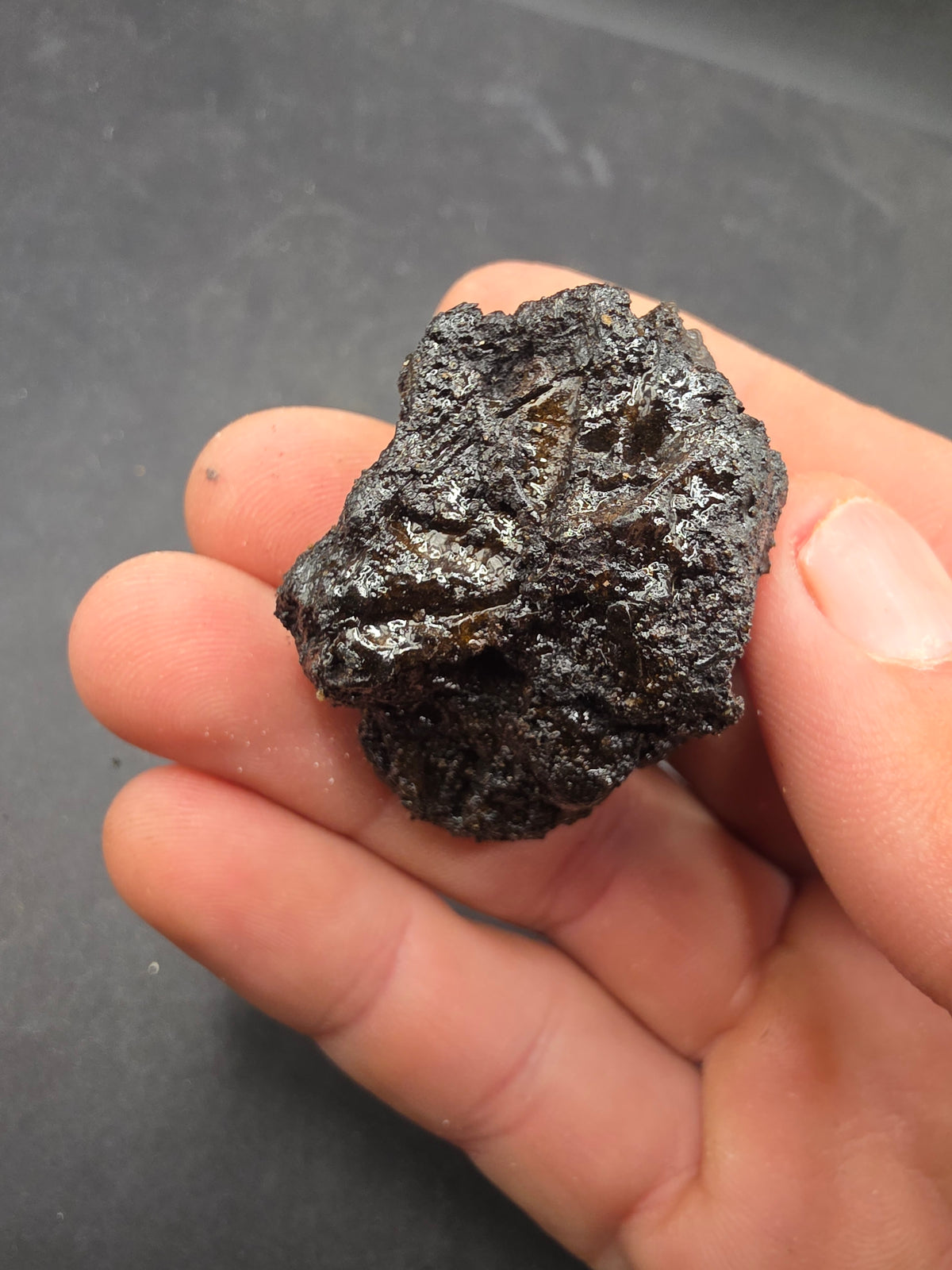
Hydrophilius sp.-California 002
Hydrophilius sp.-California 002
Couldn't load pickup availability
Taxa: Hydrophilius sp.
Geology: Asphalt Pits
Age: Pleistocene
Locality: McKittrick, California
Size: 1.6"x1.1"x0.9" or 3.3x3.8x2.6 cm
No repairs or restorations
Hydrophilius
Hydrophilus is a prominent genus of large water scavenger beetles belonging to the family Hydrophilidae. Typically found in shallow, slow-moving freshwater habitats like ponds, marshes, and weedy ditches, these beetles are characterized by their smooth, oval, streamlined black or dark brown bodies. Unlike active predatory diving beetles, adult Hydrophilus species primarily function as peaceful herbivores or scavengers that feed on algae and decaying plant matter, though their voracious larvae are known predators of snails and other small aquatic invertebrates. A notable feature of these insects is their unique method of respiration: rather than surfacing tail-first, they break the water surface head-first and use their clubbed antennae to trap and pull down a fresh supply of air, which is held against their belly as a shimmering, silvery film
McKittrick Tar Pits
The McKittrick Tar Pits are a series of natural asphalt and oil seeps located along the western edge of Kern County in California’s San Joaquin Valley. Originating from the underlying McKittrick Oil Field, these sticky asphalt deposits have functioned as natural death traps for tens of thousands of years, ensnaring an immense array of Late Pleistocene flora and fauna—ranging from saber-toothed cats, dire wolves, ground sloths, and mammoths to countless birds and insects. Similar in age and ecological significance to the more famous La Brea Tar Pits in Los Angeles, the site was extensively excavated by academic and museum researchers during the 20th century, yielding remarkably well-preserved, unmineralized bones that provide a vital window into the climate, geology, and ancient biodiversity of Ice Age California.